Kirschner Wire (K-Wire): Types, Applications and Selection Factors
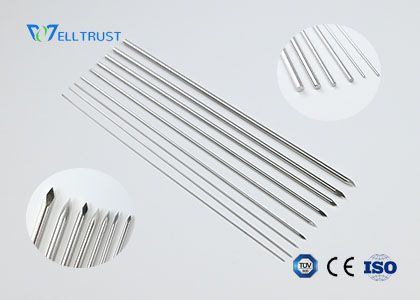
Kirschner wires, commonly known as K-wires, are widely used orthopedic fixation accessories. These slender wires are designed for specific surgical applications, including temporary fixation, fragment positioning and guidance during selected orthopedic procedures. Their dimensions, tip configurations and compatibility with surgical instruments vary according to the intended use and product design.
For orthopedic device distributors, hospital procurement teams and medical instrument suppliers, understanding the differences between K-wire types can help simplify product selection and inventory management. This guide introduces common K-wire designs, key specification factors and purchasing considerations.
What Is a Kirschner Wire?
A Kirschner wire is a thin metal wire used in orthopedic procedures for selected fixation and guidance purposes. Depending on the surgical technique, it may help maintain the position of bone fragments, provide a guide for other instruments or support temporary stabilization.
K-wires are available in different diameters, lengths, tip designs and configurations. The appropriate product depends on the intended procedure, anatomical requirements, compatible instruments and the manufacturer's specifications. They should not be selected solely by appearance or nominal size.
Common Types of Kirschner Wires
1. Single-Tip K-Wires
Single-tip K-wires have a working point at one end, with the specific tip geometry determined by the product design. They are used in selected orthopedic procedures where a wire is required for positioning, guidance or fixation.
When evaluating a single-tip wire, buyers should confirm the tip configuration, diameter, overall length and intended instrument interface, where applicable. Different tip designs may be intended for different insertion methods, so the product description should be reviewed before ordering.
2. Double-Tip K-Wires
Double-tip K-wires feature working points at both ends. Their configuration may be suitable for applications that call for a wire with two prepared ends, depending on the product specifications and surgical technique.
Procurement teams should distinguish double-tip products from single-tip versions when organizing stock and preparing quotations. The number and geometry of the tips should be confirmed against the manufacturer's catalog rather than assumed from a general product name.
3. Threaded K-Wires
Threaded K-wires incorporate a threaded section as part of their design. Thread location, thread length, diameter and overall wire dimensions can differ among models. These features influence how the product is intended to engage with bone and must be considered in relation to the specific application.
Threaded and smooth K-wires are not automatically interchangeable. Buyers should verify the design requirements and product documentation before selecting a replacement or comparing products from different manufacturers.
Common Applications of K-Wires in Orthopedic Procedures
K-wires can serve several roles in orthopedic surgery, depending on the product design and clinical requirements.
- Temporary fixation: A K-wire may help maintain the position of selected bone fragments during a procedure.
- Guide-wire applications: Certain wires are used to guide compatible instruments or implants along a planned path.
- Fragment positioning: In selected procedures, a wire may assist with positioning or provisional stabilization before further fixation.
- Small-bone procedures: K-wires may be considered for selected applications involving smaller bones, depending on the required dimensions and surgical technique.
These are general application categories, not universal indications for every K-wire. The appropriate product, technique and duration of use must be determined by a qualified healthcare professional in accordance with the manufacturer's instructions.
K-Wires and Related Orthopedic Instruments
K-wires may be used alongside other orthopedic instruments, but the combination depends on the procedure and product design. A guide wire intended for a particular implant or instrument should not be assumed to be interchangeable with a general-purpose K-wire.
When sourcing a complete range of orthopedic accessories, buyers should check each product's specifications and intended function. Confirming compatibility before ordering can help reduce errors in model selection and make purchasing requirements clearer for suppliers.
Kirschner Wires from Well Trust
Well Trust (Tianjin) Tech. Co., Ltd. was established in 2005 and supplies orthopedic surgical accessories, including K-wires, surgical drill bits, saw blades, reamers and other instruments. Its product portfolio includes different K-wire configurations for professional medical device markets.
For distributors, importers and medical instrument suppliers, Well Trust can provide product information to support inquiries about available wire types and specifications. When requesting a quotation, buyers should indicate the required tip design, diameter, length, quantity and any relevant instrument compatibility requirements.
Providing these details helps clarify the requested configuration and supports more accurate product comparison. All final selections should be checked against the manufacturer's product documentation and the requirements of the intended application.
Frequently Asked Questions
What does K-wire stand for?
K-wire stands for Kirschner wire, a slender wire used in selected orthopedic procedures for fixation, positioning or guidance purposes.
What is the difference between single-tip and double-tip K-wires?
The main difference is the tip configuration: a single-tip wire has one working point, while a double-tip wire has working points at both ends. The appropriate design depends on the intended application and product specifications.
Are threaded K-wires interchangeable with smooth K-wires?
Not necessarily. Thread configuration, dimensions and intended use can differ. Always verify the required design and the manufacturer's specifications before selecting a replacement.
What information should I provide when requesting a K-wire quotation?
Provide the required wire type, diameter, length, quantity and any relevant instrument compatibility or packaging requirements. If you have a reference model or specification sheet, include it with your inquiry.
Conclusion
Kirschner wires are important accessories in a range of orthopedic procedures, with different designs serving different requirements. Understanding tip configuration, dimensions, thread design and instrument compatibility helps professional buyers organize specifications and compare products more effectively. Before ordering, confirm the exact model and technical details with the supplier to ensure the requested product matches the intended requirements.


