Surgical Power Tool Batteries: Types, Compatibility and Replacement Considerations
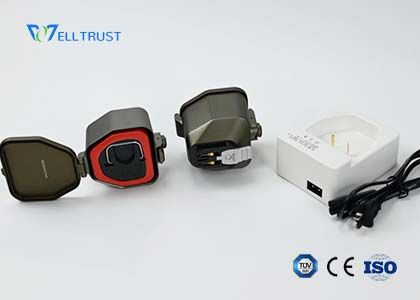
Battery-powered surgical instruments provide mobility for orthopedic procedures without requiring a fixed electrical connection during operation. As an important component of cordless surgical equipment, the surgical power tool battery directly relates to the power supply of equipment such as orthopedic drills, bone saws and multifunctional surgical power tools.
For hospitals, medical device distributors and equipment suppliers, choosing a replacement battery is not simply a matter of matching the physical size. Voltage, battery chemistry, capacity, connector design, battery housing and charger compatibility should all be checked before purchase. Understanding these factors can help buyers identify a suitable battery configuration for their existing surgical power tools.
What Is a Surgical Power Tool Battery?
A surgical power tool battery is a rechargeable power source designed to supply energy to a compatible surgical handpiece or power system. Depending on the equipment design, batteries may use different chemistries, voltage levels and capacities.
Battery-powered orthopedic systems commonly use a removable battery pack that can be detached from the handpiece for charging or replacement. Some systems also use a dedicated battery housing or sterile transfer component as part of the overall configuration.
Battery Type and Voltage
Battery chemistry and working voltage are two important specifications when evaluating an orthopedic drill battery. Ni-MH and lithium-ion are examples of rechargeable battery technologies used in power-tool systems, although the appropriate battery depends on the equipment design.
Voltage must be matched carefully. A battery with a different voltage should not be assumed to be compatible simply because it fits the same housing. The handpiece, battery pack and charger are designed as a system, so buyers should verify the specified working voltage before ordering a replacement.
For example, Well Trust's A100 surgical drill system uses a 14.4V Ni-MH battery with a capacity of 1600mAh. This specification is part of the system configuration and should be checked when purchasing a replacement battery or related accessory.
What Does Battery Capacity Mean?
Battery capacity is commonly expressed in milliampere-hours (mAh). It indicates the amount of electrical charge that a battery can store under specified conditions. However, a higher mAh rating does not automatically mean that a battery is suitable for every surgical power tool.
When comparing an orthopedic drill battery, buyers should consider capacity together with voltage, battery chemistry, physical dimensions and equipment compatibility. The actual operating time can also vary according to the power consumption and operating conditions of the connected handpiece.
Why Charger Compatibility Matters
The charger is another important part of a surgical power-tool battery system. A charger must match the battery chemistry, voltage requirements and charging specifications of the corresponding battery.
Using a charger that is not designed for the battery can create compatibility problems and may affect charging performance. For this reason, buyers should verify the charger model and output specifications rather than selecting a charger based only on the connector shape.
Some surgical power-tool systems are supplied with dedicated charging stations. Well Trust provides different charger configurations, including single-station and multi-station options for compatible orthopedic power-tool batteries.
When Should an Orthopedic Drill Battery Be Replaced?
Rechargeable batteries gradually lose capacity through repeated charging and use. A replacement may need to be considered when the battery no longer provides the expected operating duration or when its condition affects normal equipment use.
Before replacing an orthopedic drill battery, buyers should record the information from the existing battery and handpiece, including model number, voltage, capacity, battery type and housing configuration. This information can help suppliers identify the corresponding replacement option.
Battery Housing and Sterilization Considerations
Some orthopedic power-tool systems use a separate battery housing or protective case. The housing may have different requirements from the internal battery itself.
For example, Well Trust offers battery housings designed for compatible orthopedic power-tool systems, while certain battery housings are designed to support autoclave processing. The battery itself and its housing should therefore be treated as separate components when reviewing sterilization requirements.
Users should always follow the manufacturer's instructions regarding cleaning, sterilization, charging and storage. Batteries should not be sterilized unless the specific product documentation expressly permits it.
Well Trust Surgical Power Tool Batteries and Accessories
Well Trust provides batteries and accessories for orthopedic surgical power tools, including replacement batteries, battery housings and chargers.
The company's product range includes a 14.4V 1600mAh Ni-MH battery configuration used with compatible Well Trust surgical power tools. Well Trust also offers replacement battery solutions for selected orthopedic drill and saw systems, including 9.6V Ni-MH battery configurations with different capacities.
For example, the WTT-116001 replacement battery is specified as a 9.6V 1950mAh Ni-MH battery for compatible orthopedic drill and saw systems. Another replacement configuration, WTT-116002, is specified as a 9.6V 2100mAh Ni-MH battery. Compatibility should be confirmed according to the specific handpiece, housing and system requirements.
For medical device distributors and equipment suppliers, Well Trust can provide product specifications and accessory information to support battery replacement and surgical power-tool sourcing requirements.
How to Check Battery Compatibility Before Ordering
- Check the model: Record the handpiece and battery model number whenever available.
- Confirm voltage: Make sure the replacement battery matches the specified working voltage.
- Check capacity: Compare the stated mAh rating with the original battery or specified replacement.
- Verify battery chemistry: Confirm whether the system uses Ni-MH, lithium-ion or another specified battery type.
- Check the housing: Confirm the physical housing and connection configuration.
- Confirm charger compatibility: Verify that the existing charger is suitable for the replacement battery.
Frequently Asked Questions
What should I check before buying a surgical power tool battery?
Check the battery model, voltage, capacity, chemistry, dimensions, housing and charger compatibility. The battery should be selected according to the specifications of the corresponding surgical power tool system.
Can I use a battery with a higher capacity?
Not necessarily. Battery capacity should be considered together with voltage, chemistry, dimensions and system compatibility. A higher mAh rating alone does not confirm compatibility.
Can the same charger be used for different surgical power tool batteries?
Only when the charger is specifically compatible with the battery type and electrical specifications. Buyers should verify the manufacturer's charging requirements before using a charger with another battery.
Is the surgical power tool battery autoclavable?
Autoclavability depends on the specific battery design. Some systems use a removable battery together with a separate sterilizable housing. Always follow the manufacturer's sterilization instructions and do not autoclave a battery unless the product documentation specifically allows it.
Conclusion
Selecting a suitable surgical power tool battery requires more than checking its physical appearance. Voltage, capacity, battery chemistry, housing, charger compatibility and equipment model should all be considered before replacement. Well Trust provides orthopedic drill and saw batteries, battery housings and charging solutions for compatible surgical power-tool systems, supporting medical device distributors and professional equipment suppliers with product information and accessory options.


