Surgical Power Tool Battery: Battery, Charger and Transfer Kit for Medical Devices
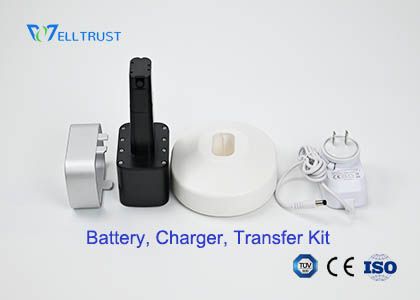
Battery-powered surgical instruments provide an alternative to systems that rely on a direct electrical connection during medical procedures. For orthopedic and other surgical power tools, the battery is an important part of the overall system because it supplies the electrical energy required to operate the handpiece. A suitable Surgical Power Tool Battery therefore needs to match the requirements of the corresponding power tool in terms of voltage, capacity, battery type and connection design.
In addition to the battery itself, a complete battery solution may include a dedicated charger and a transfer kit. These components work together to support battery preparation, charging and connection with the relevant surgical power tool.
What Is a Surgical Power Tool Battery?
A Surgical Power Tool Battery is a rechargeable battery designed to provide electrical power for compatible medical power instruments. Depending on the product system, different battery technologies may be available, including nickel-metal hydride (Ni-MH) and lithium-ion battery configurations.
Battery capacity and working voltage are two important specifications. Capacity is generally expressed in mAh and indicates the amount of electrical charge the battery can store, while working voltage indicates the electrical potential supplied to the connected device. The appropriate battery should always correspond to the requirements of the compatible surgical power tool.
Ni-MH and Lithium Battery Options
Different rechargeable battery technologies can be used in medical power equipment. The two configurations shown in this product range are Ni-MH and lithium batteries.
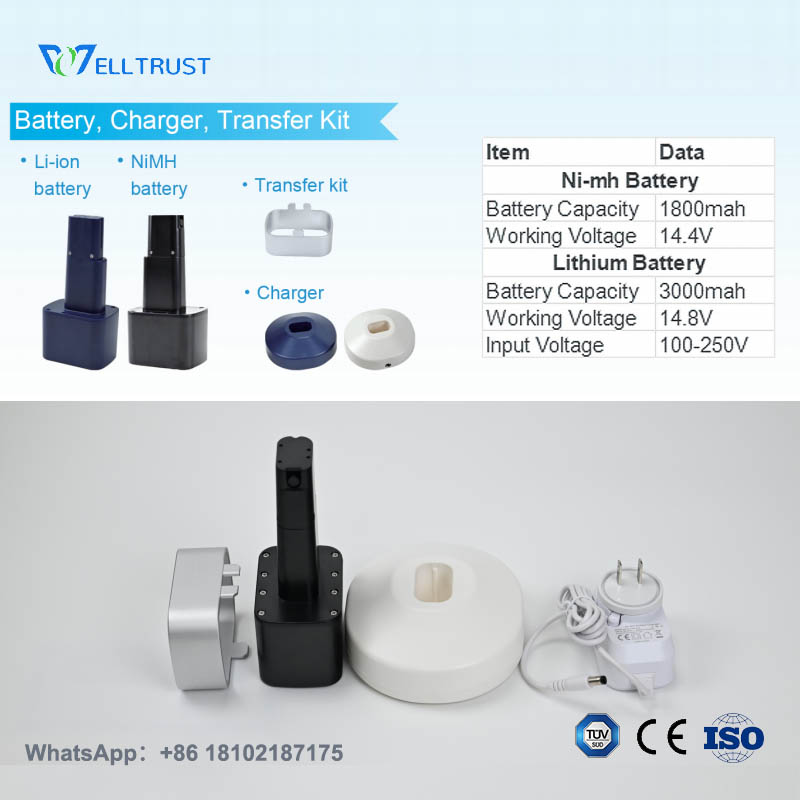
Ni-MH Battery: The Ni-MH battery shown in the product specification has a capacity of 1800 mAh and a working voltage of 14.4 V. Ni-MH batteries are rechargeable and can be used as a power source for compatible equipment.
Lithium Battery: The lithium battery shown in the product specification has a capacity of 3000 mAh and a working voltage of 14.8 V. Lithium battery technology is widely used in rechargeable portable equipment because of its energy-storage characteristics.
Battery selection should not be based on capacity alone. Voltage, connector configuration, physical dimensions, charging requirements and compatibility with the corresponding surgical power tool should also be considered.
Why Is the Charger Important?
A dedicated Surgical Battery Charger is designed to provide the appropriate charging interface for a compatible rechargeable battery. Using the correct charger helps ensure that the battery is connected to the intended charging system.
The charger included in this product range is designed for the corresponding battery configuration. The product specification indicates an input voltage range of 100–250 V. Before charging, users should confirm that the battery and charger are compatible and follow the applicable operating instructions.
What Is a Battery Transfer Kit?
A transfer kit can be used as an accessory within a battery-powered surgical instrument system. Its purpose depends on the specific equipment configuration and may relate to transferring or connecting the battery within the compatible system.
For medical power tool distributors, having batteries, chargers and transfer accessories available as a coordinated product range can simplify product configuration and replacement requirements. Compatibility remains an important consideration when selecting a transfer kit or related battery accessory.
Battery Specifications
The battery configurations shown in this product range include the following specifications:
| Product | Battery Capacity | Working Voltage |
|---|---|---|
| Ni-MH Battery | 1800 mAh | 14.4 V |
| Lithium Battery | 3000 mAh | 14.8 V |
The charger specification shown in the product information is an input voltage range of 100–250 V. Battery capacity, voltage and charger input specifications should be checked against the requirements of the intended equipment before use.
Surgical Power Tool Battery from Well Trust
Well Trust supplies components and accessories for orthopedic and surgical power tools. Its battery-related product range includes rechargeable batteries, chargers and transfer kits for compatible medical power tool applications.
The Well Trust battery range shown here includes both Ni-MH and lithium battery options. The Ni-MH Battery provides a capacity of 1800 mAh at 14.4 V, while the Lithium Battery provides a capacity of 3000 mAh at 14.8 V. A corresponding charger and transfer kit are also available as part of the product range.
For medical device distributors and power tool manufacturers, battery compatibility is an important part of product development and replacement supply. Well Trust can provide product specifications for customers who need to evaluate battery capacity, working voltage, charger requirements and accessory configurations.
What to Consider When Selecting a Medical Power Tool Battery?
Several specifications should be reviewed when selecting a Medical Power Tool Battery. The first consideration is compatibility with the intended handpiece or power tool. The battery voltage should correspond to the equipment requirements, while the physical shape and connector should match the battery compartment.
Battery capacity is another consideration because different applications may have different power requirements. The battery technology, charger compatibility and availability of replacement batteries can also be considered when establishing a complete battery supply system.
For distributors, clearly defined battery specifications can also make it easier to identify replacement products and communicate compatibility requirements with end users.
Frequently Asked Questions
What is a Surgical Power Tool Battery?
A Surgical Power Tool Battery is a rechargeable battery designed to supply power to a compatible medical or surgical power tool. Its voltage, capacity and physical configuration should match the intended equipment.
What battery types are available in this product range?
The product range shown includes Ni-MH and lithium battery options. The Ni-MH battery has a capacity of 1800 mAh and a working voltage of 14.4 V, while the lithium battery has a capacity of 3000 mAh and a working voltage of 14.8 V.
What is the input voltage of the charger?
The charger shown in the product specification has an input voltage range of 100–250 V.
Can the Ni-MH battery and lithium battery use the same charger?
Charger compatibility depends on the specific battery and charger design. Different battery technologies may require different charging parameters, so users should confirm compatibility before charging.
What is included in the Battery, Charger and Transfer Kit?
The product range shown includes Ni-MH and lithium batteries, a charger and a transfer kit. The exact combination supplied should be confirmed according to the selected product configuration.
How should I select a Surgical Power Tool Battery?
The battery should be selected according to the compatible surgical power tool. Important specifications include battery type, working voltage, capacity, physical dimensions, connector configuration and charger compatibility.
Conclusion
A reliable battery system is an important component of battery-powered surgical equipment. A Surgical Power Tool Battery needs to provide the appropriate voltage and capacity while maintaining compatibility with the corresponding power tool and charger.
The Well Trust Battery, Charger and Transfer Kit range provides Ni-MH and lithium battery options, together with charging and transfer accessories. With different battery technologies and clearly defined specifications, the product range can support the battery requirements of compatible medical power tool systems. For distributors and medical device companies, evaluating battery specifications together with charger and accessory compatibility can help establish a suitable product configuration.


