
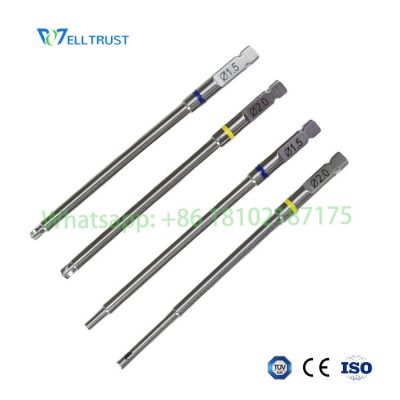
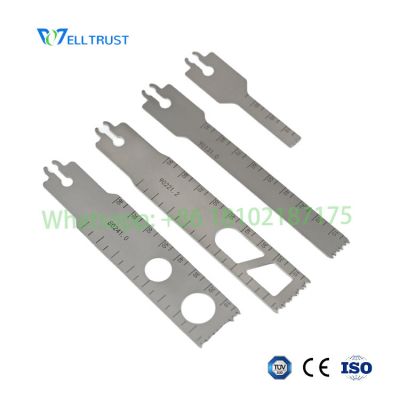
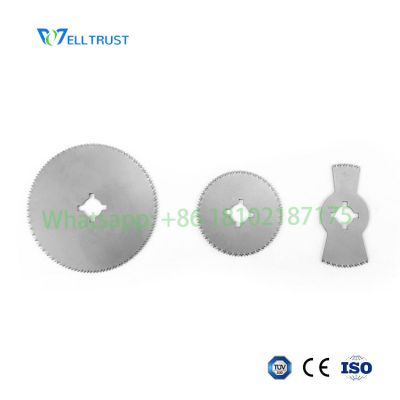
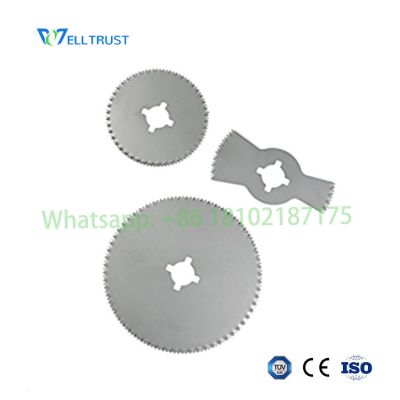
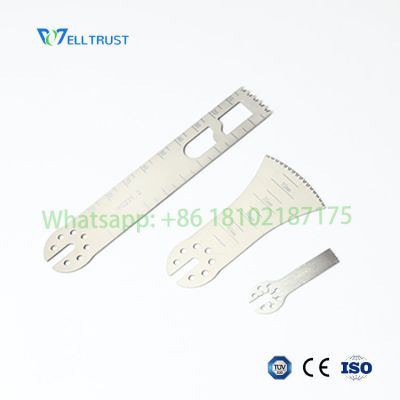
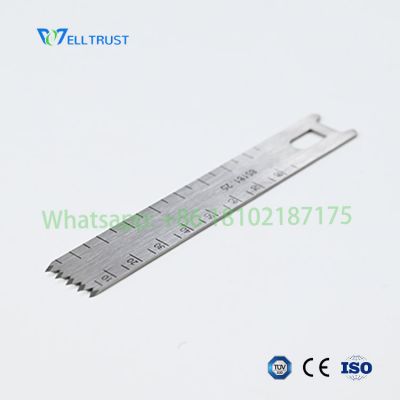
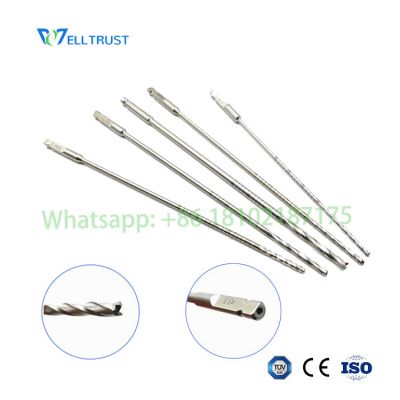
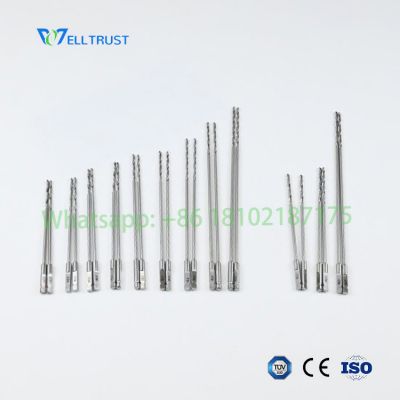
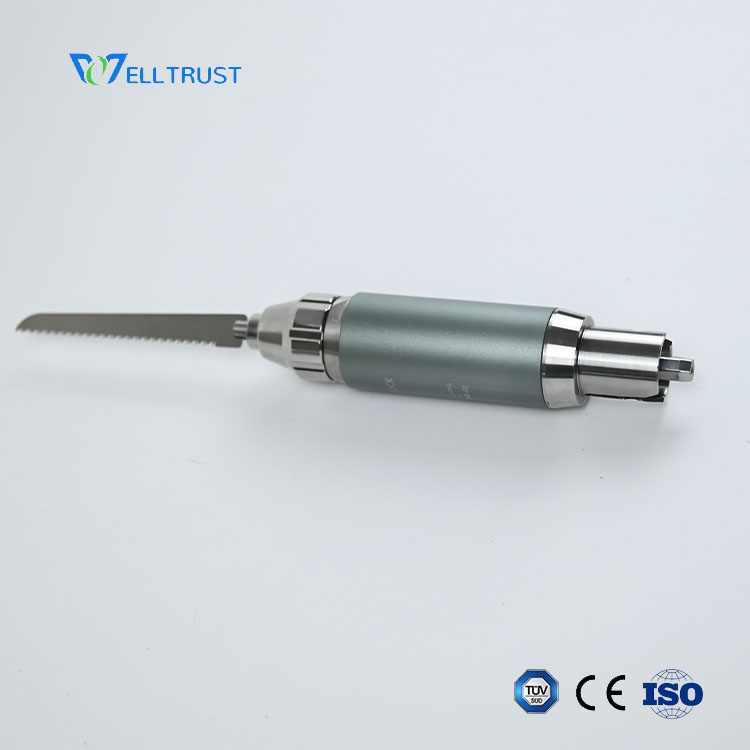
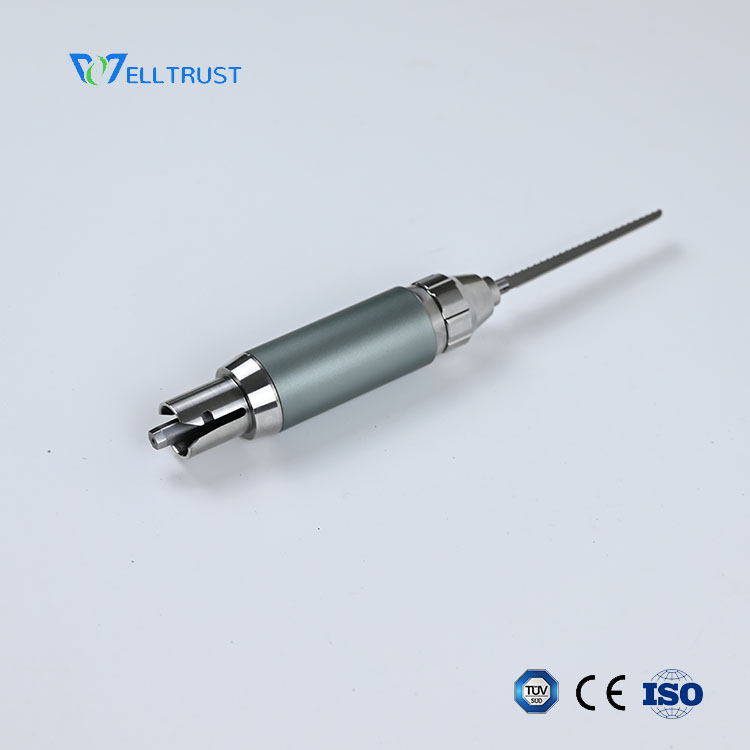
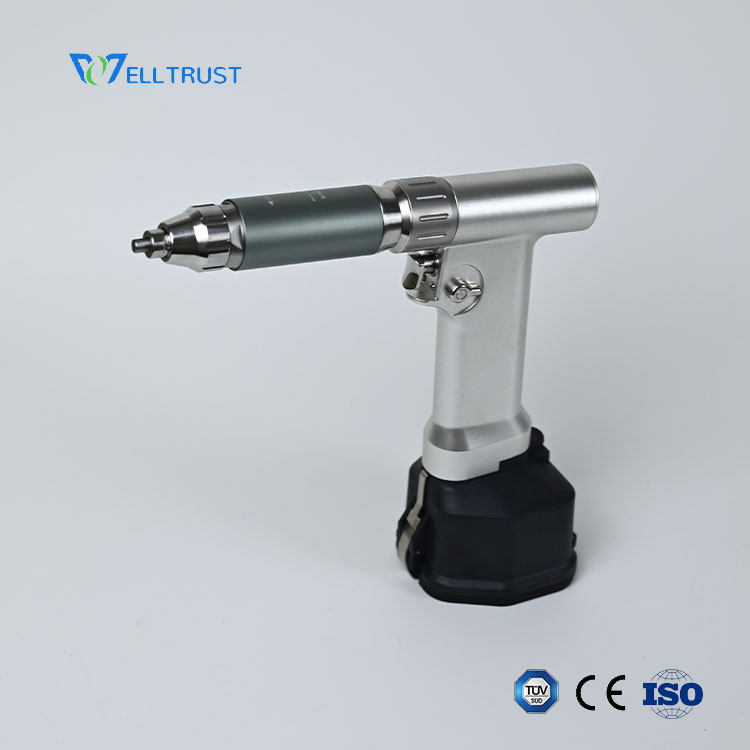
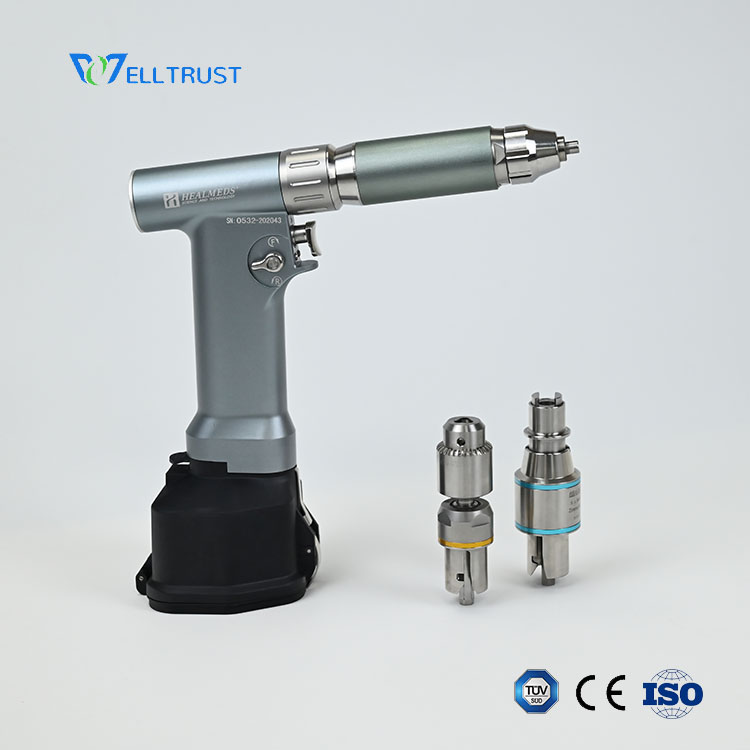
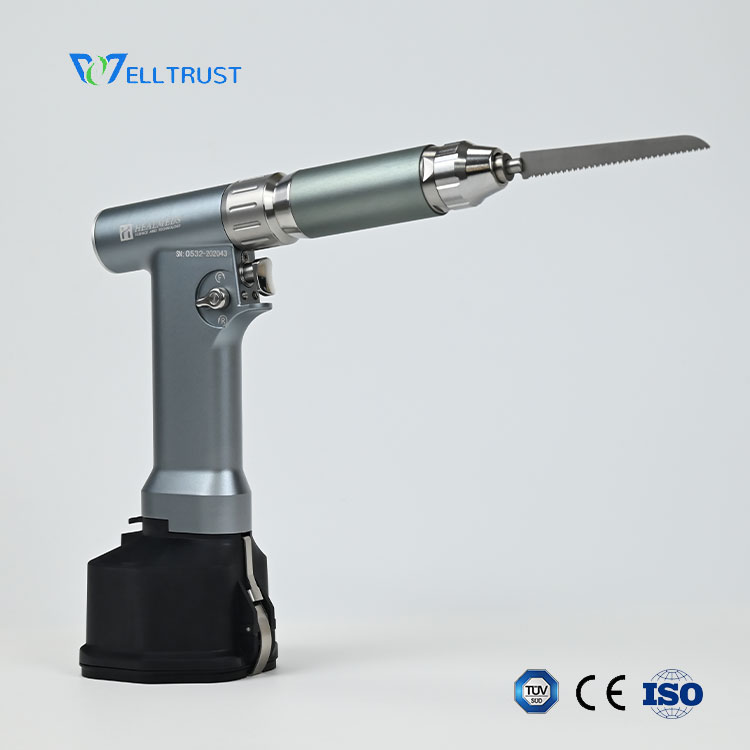
Reciprocating Saw for Orthopedic and Veterinary Surgery
- Powered Reciprocating Cutting: Supports controlled bone cutting in selected orthopedic procedures.
- Professional Surgical Tool: Intended for trained medical or veterinary surgical professionals.
- Blade-System Configuration: Use with the correct compatible reciprocating saw blade and handpiece interface.
- Orthopedic Workflow Support: May be used for selected osteotomy, bone sectioning, and fracture-related workflows when clinically appropriate.
- Specification Verification Required: Confirm model, stroke, frequency, power source, blade interface, and sterilization requirements before ordering.
Reciprocating Saw for Orthopedic and Veterinary Surgery is a powered surgical cutting tool designed to support controlled bone sectioning in selected orthopedic procedures. Its reciprocating blade motion provides a practical solution for procedures that require a powered back-and-forth cutting action rather than a rotary drilling or oscillating-saw movement.
Orthopedic application: A reciprocating saw may be considered for selected osteotomy, bone sectioning, fracture-related procedures, and other orthopedic workflows where the surgeon requires a compatible powered saw. In veterinary practice, the final application depends on the animal's anatomy, bone size and density, surgical approach, blade selection, and the procedure-specific fixation plan.
Blade and handpiece compatibility: Reciprocating saw systems rely on a defined connection between the handpiece and the saw blade or attachment. Before use, confirm the exact handpiece model, blade interface, shank or connector, blade length, blade width, tooth configuration, cutting depth, and intended application. Compatibility with blades from another system should not be assumed without technical confirmation.
Controlled surgical workflow: The instrument should be used by trained medical or veterinary professionals who understand the selected surgical technique and the operating instructions. The operator should inspect the handpiece and blade before use, confirm secure attachment, maintain a controlled cutting path, and protect surrounding soft tissue. The saw does not replace preoperative planning, patient assessment, or the surgeon's judgment.
Cleaning and maintenance: Cleaning, disinfection, sterilization, lubrication, storage, and maintenance must follow the current product instructions for use. The supplied image does not state whether the handpiece is autoclavable, whether a sterilization case or channel is required, or whether the blade is reusable or single-use. These details must be confirmed before clinical use.
WTT surgical cutting-tool solutions: WTT develops and supplies surgical cutting tools and orthopedic power-tool accessories, including saw blades and related components. Contact WTT to confirm the exact Reciprocating Saw model, compatible blade family, power configuration, technical specifications, and documentation required for your medical or veterinary application.
Frequently Asked Questions
Q1: What is a reciprocating saw used for in orthopedic surgery?
A: It is used for controlled bone sectioning in selected orthopedic procedures, such as certain osteotomies, fracture-related procedures, and other operations requiring a powered reciprocating blade.
Q2: Is this saw suitable for veterinary surgery?
A: Veterinary suitability depends on the product labeling, compatible blade system, technical documentation, and the intended procedure. Confirm veterinary application with WTT before purchase or clinical use.
Q3: Which saw blades are compatible?
A: Compatibility depends on the exact handpiece model, connector or shank, blade dimensions, and blade family. Do not assume universal compatibility based only on appearance.
Q4: What technical specifications are available?
A: The supplied image does not show model or technical data. Confirm reciprocating frequency, stroke length, voltage, power source, weight, noise level, blade interface, sterilization method, and accessories with the supplier.