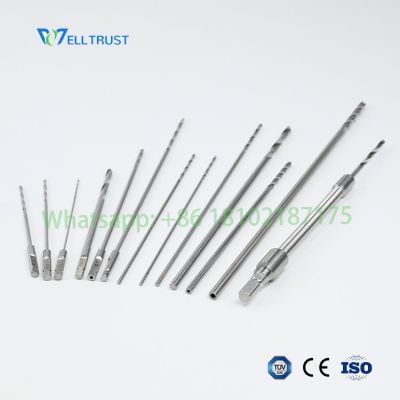
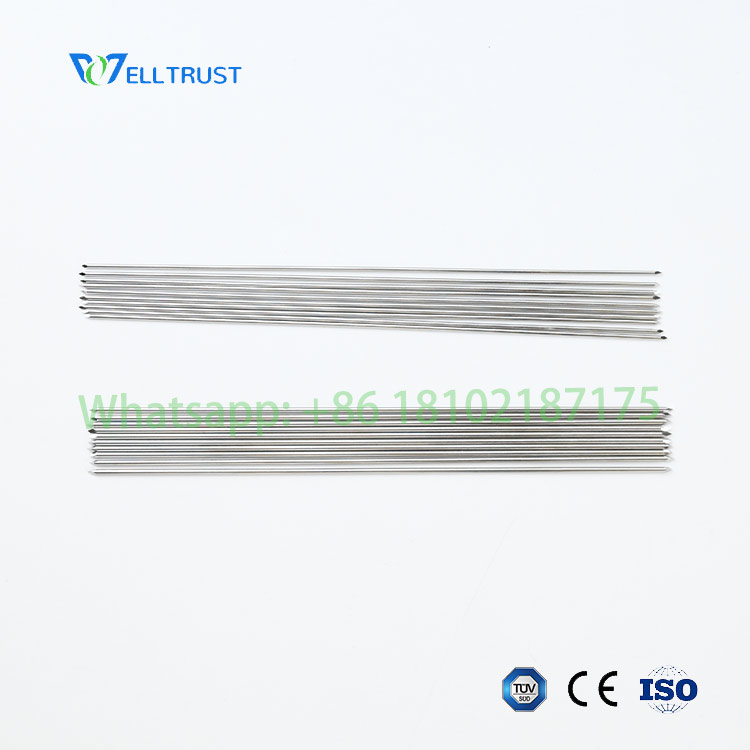
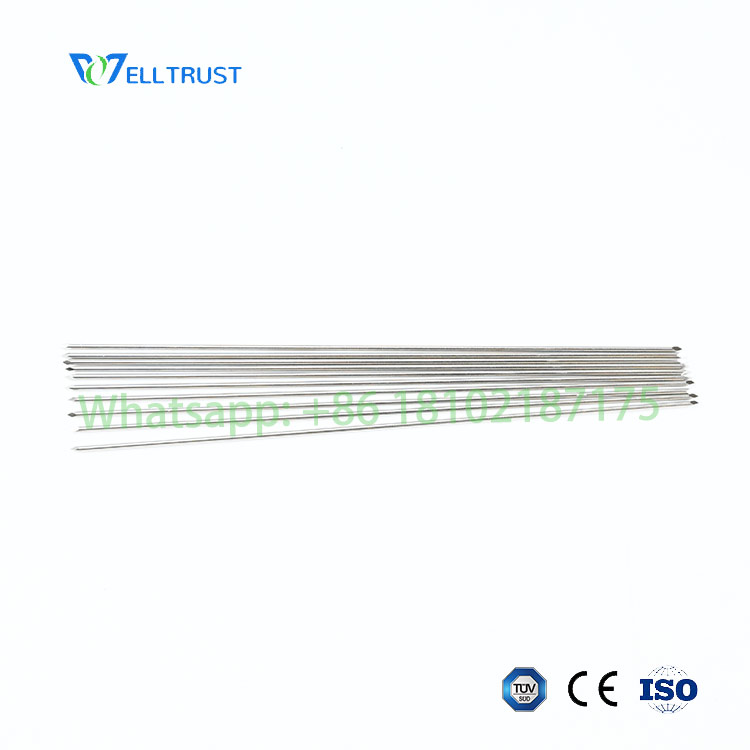
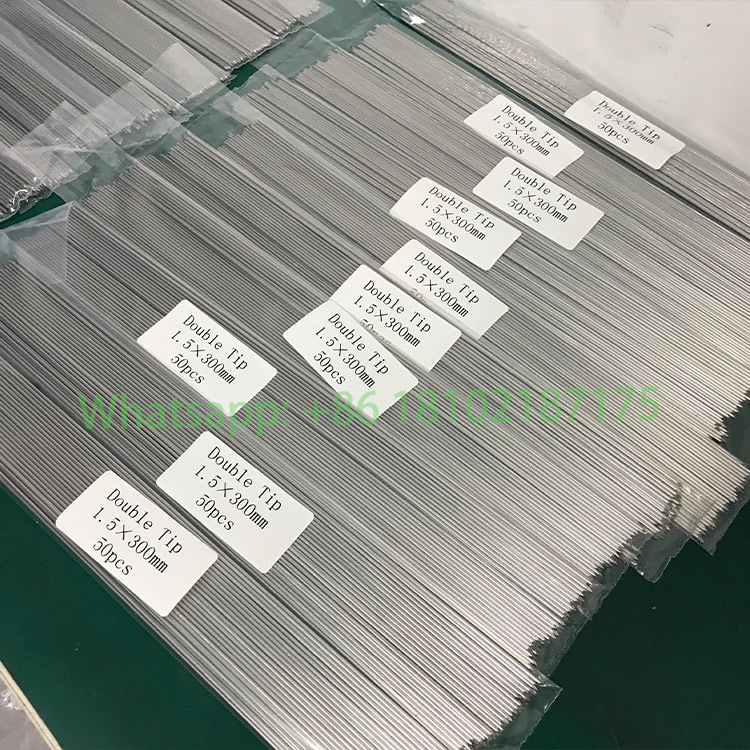
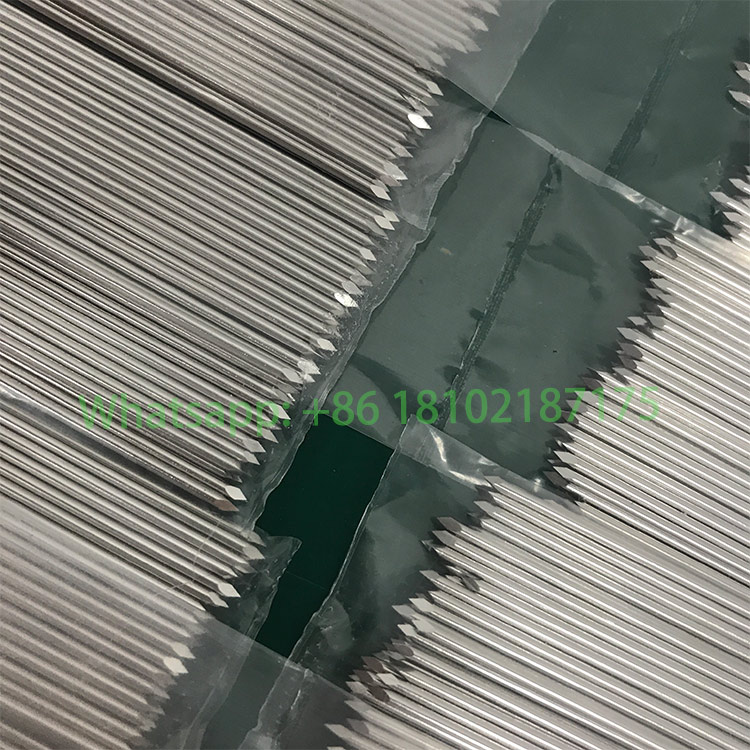
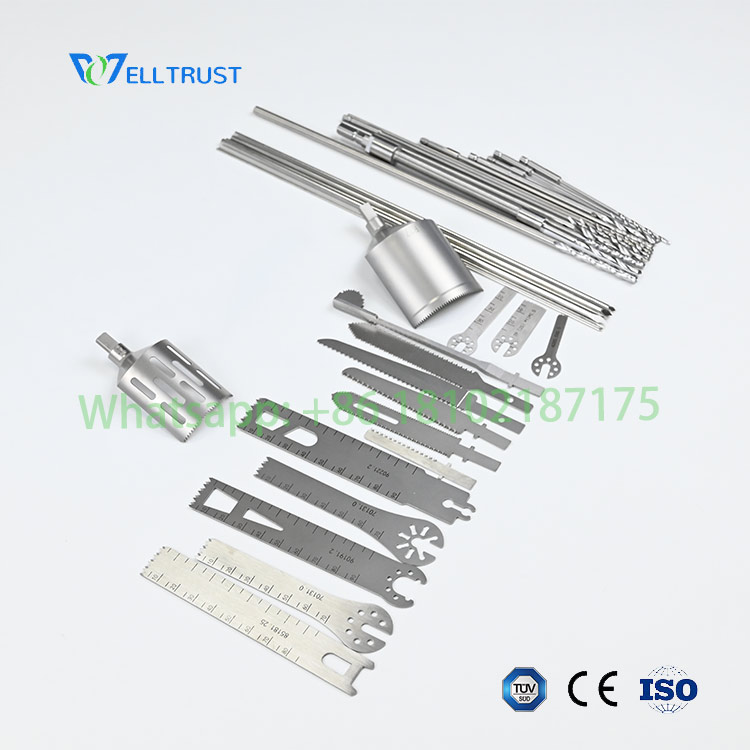
Medical Kirschner Wire for Orthopedic Surgery (K-Wire)
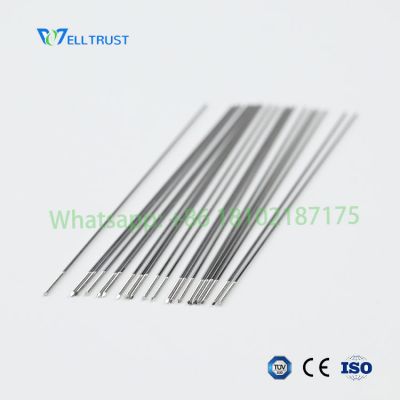
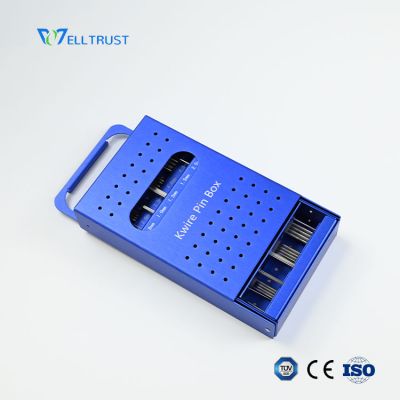
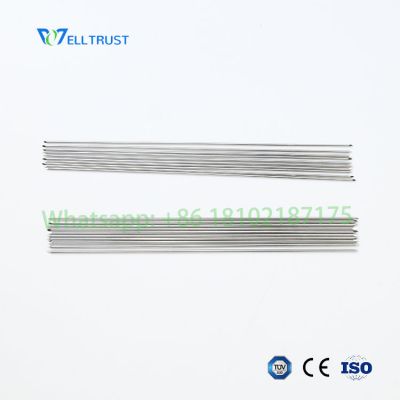
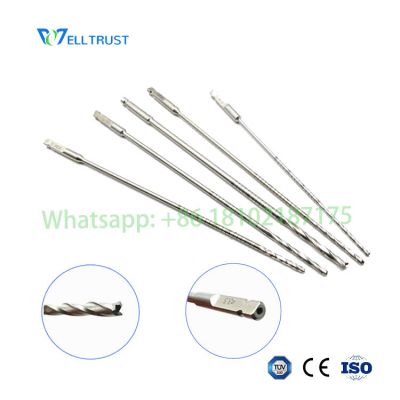
Product Name: Medical Kirschner Wire (K-Wire)
Material:High-Grade Surgical Stainless Steel (316L / Autoclavable)
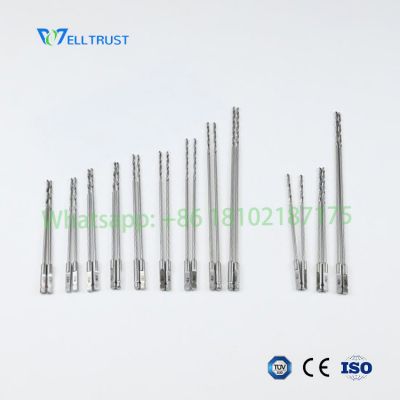
Diameter Range:0.8mm to 3.0mm (Custom sizes available upon request)
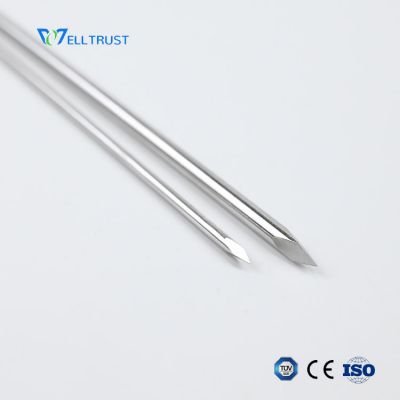
Tip Configuration:Diamond tip / Trocar tip options for effortless bone penetration
Application:Orthopedic Surgery (Trauma, Veterinary, and Skeletal Fixation)
Certification:CE & ISO 13485 Certified
Customization:OEM / ODM Services Acceptable
Medical Kirschner Wires (K-Wires) for Orthopedic Bone Fixation
Product Overview The premium wire K surgical set is engineered for high-precision handling and exceptional reliability in neurosurgical, spinal, and trauma procedures. This versatile wire K system provides surgeons with a dependable solution for stabilizing bone fragments, performing arthrodesis procedures, and guiding complex surgical instruments under strict O.R. conditions.
Clinical Advantage of Wire K Fixation
-
Premium Biocompatibility: Manufactured from high-grade austenitic stainless steel compliant with ISO 5832-1 standards, ensuring maximum mechanical strength and corrosion resistance.
-
Optimal Bone Penetration: Features precision-sharpened trocar or chisel points designed for effortless penetration through tough cortical bone.
-
Ergonomic Handling: Fully reusable and autoclavable configurations are available for surgical instruments, while the implant pins are designed for precise single-use fixation.
Economic Value and K Wire Price Analysis When evaluating procurement budgets, the k wire price remains a critical factor driving its global preference over commercial intramedullary implants.
-
Lower Initial Cost: Studies show that percutaneous wire K fixation delivers significantly lower total treatment costs compared to alternative implants (such as hammertoe repairs averaging $5,041 with K-wires versus $6,059 for alternatives).
-
Cost-Effective For Facilities: The relatively low implant acquisition cost per unit makes the overall k wire price highly advantageous for budget-constrained hospitals, clinics, and surgical centers.
-
Comprehensive Value: While evaluating the total k wire price alongside extended episode-of-care costs, its simplicity, widespread availability, and proven clinical outcomes maintain its status as a global gold standard.
Technical Specifications
-
Product Name: Medical Kirschner Wire Set (Wire K)
-
Available Diameters: 1.1 mm, 1.6 mm, 2.0 mm, 2.4 mm, 2.5 mm (Full range from 0.9 mm to 2.5 mm available)
-
Standard Lengths: Up to 31 cm (Custom lengths available upon request)
-
Material Composition: Premium Medical-Grade Stainless Steel & Titanium Alloy Options
-
Tip Configurations: Diamond Tip / Trocar Point / Chisel Point
-
Application: Orthopedic Surgery, Trauma Fixation, Skeletal Traction
-
Customization: OEM and ODM customization options available for bulk and private-label requirements.
Why Partner with WELL TRUST?
As a dedicated surgical equipment manufacturer, WELLTRUST delivers top-tier wire K implants and power tool accessories that comply with global CE & ISO 13485 standards. We understand that finding a competitive k wire price without sacrificing material durability is essential for hospital procurement. Contact us today to get the latest k wire price list and customized OEM solutions for your market.